
Supporting Families Through Collaborative Law
A collaborative team offering legal, financial, mediation, and emotional support to help families find constructive solutions
Collaborative Family Solutions
Our family law practice is dedicated to providing clients with comprehensive legal services.
Collaborative Family Law provides divorcing or separating couples with the opportunity to work together as a team with trained professionals to resolve disputes respectfully, without going to court. Choosing the collaborative process enables you to:
Remain in control of the process and the pace of progress.
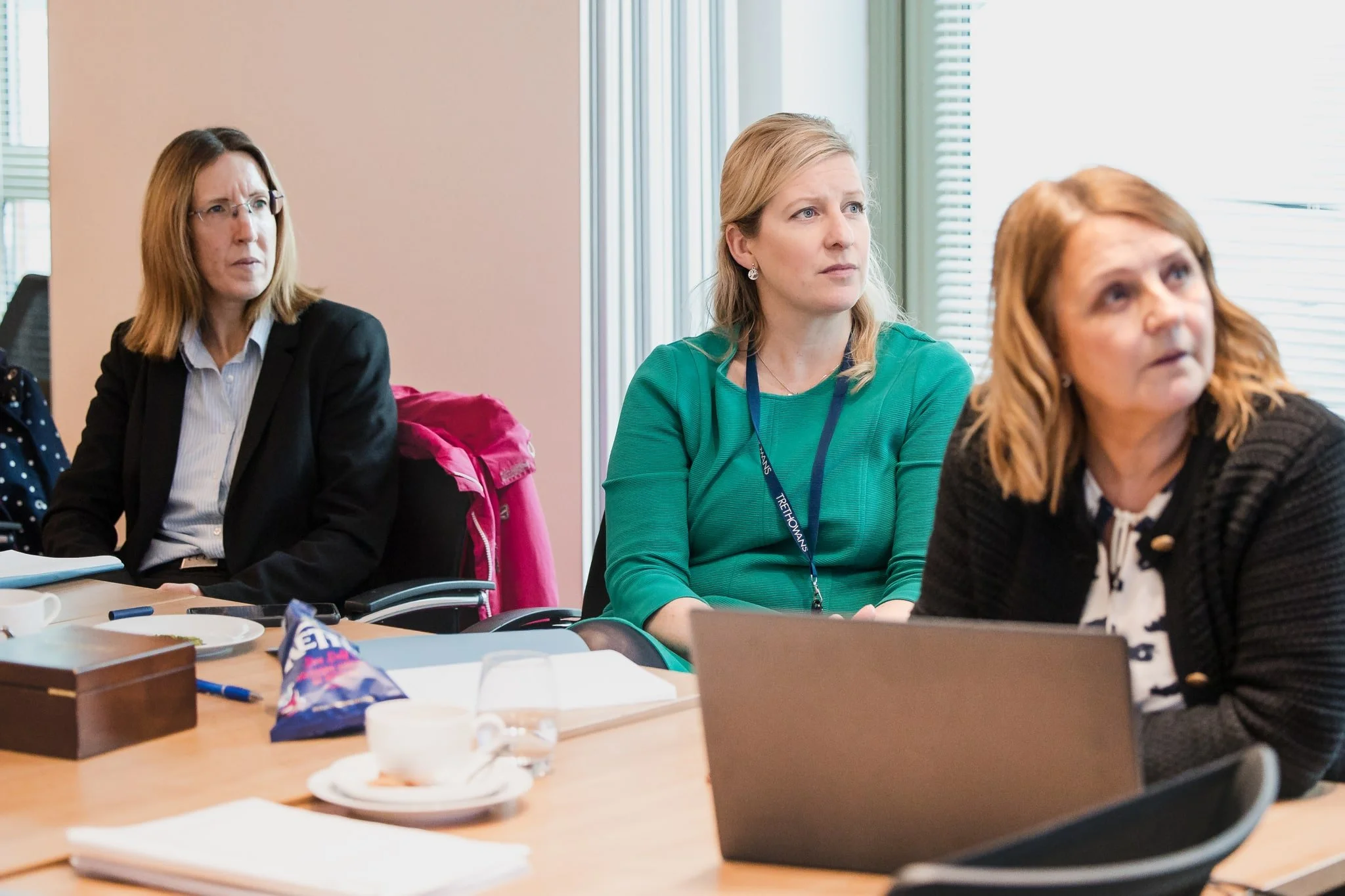
Discuss issues openly through a series of four-way meetings, sitting around the table with your lawyers and, where necessary, other professionals.
Reach an agreement that takes account of the highest priorities of both parties, without the restriction of a standard formula.
Limit costly correspondence between solicitors, which might escalate issues further.
Enrol other trained professionals who offer specialist help, such as independent financial advice, emotional support or family therapy.
Retain a respectful relationship with each other, so that you can discuss important issues like children’s schooling, weddings or other family events, during and beyond separation.
“Our collaborative approach is designed to reduce conflict, protect dignity, and support emotional wellbeing as well as legal outcomes.”
Arrange a Free Initial, No-obligation, Consultation.
For more information and to help you decide if using Collaborative Law
is right for you and your family. in touch with one of our members.

Resolve Disputes Without Going to Court
Collaborative Law is an alternative dispute resolution process used in family law cases, such as divorce or separation, and even the drawing up of living together and separation agreements to include pre/post-nuptial agreements, to resolve conflicts amicably and without going to court. Here are the key elements:

Voluntary Process
Commit to resolving issues outside of court.
Emphasis on Children
Focusing on children’s best interests and minimising the emotional toll of litigation.
Team-Based Approach
Our professionals create a collaborative team to address all aspects of the case.

Confidentiality
Confidential information that cannot be used against either party in court.


Open Communication
The goal is to find mutually acceptable solutions rather than “winning” in court.
Control Over The Outcome
Parties maintain control over the outcome, rather than having a judge impose a decision.
Problem Solving
Finding creative solutions that meet the unique needs and interests of both parties and any children involved.

Avoiding Court
One of the primary aims of Collaborative Law is to keep the case out of court.

Curious about how Collaborative Law works and how it can benefit your family?
The Innovative and Compassionate Approach to Resolving Family Legal Matters