

How Can Mediation Assist in Arrangements for Holidays?
Holiday arrangements need not be a source of ongoing conflict after separation. Mediation offers a respectful and effective way for parents to navigate these sensitive issues, focusing on what matters most, the wellbeing of their children. This is done by

Why Your Body Sabotages Collaboration During Separation (And What Actually Helps)
You want to be reasonable.
You went into the meeting intending to be calm, clear, and cooperative. You know the process works best when both people can communicate honestly. And then the meeting begins. Your chest tightens. Your mind goes blank, or races in five directions at once. You say yes to something you didn't mean, or you hear your own voice coming out sharper than you intended. Afterwards, you sit in your car wondering what just happened.

How Does Collaborative Divorce Minimise Conflict?
Approaching a divorce can feel daunting, and you may feel as though you are heading towards a time filled with disagreements, but it doesn’t have to be. A collaborative divorce is designed to specifically minimise conflict and promote mutual agreement between separating couples.

Supporting Families Through Separation
When parents commit to collaborating, even after difficult separations, it’s incredible to see the positive impact on the children and on the whole family dynamic, not just in the early days but in the time to come.
When families are supported to collaborate, children thrive, and parents can begin to heal and move forward together.

Why Collaborative Law Is the Smarter, Calmer Way to Divorce
If your idea of divorce comes from courtroom dramas, grand speeches, dramatic exits, and someone shouting “Objection!”, you’ll be relieved to know real life can be far less theatrical. Collaborative law offers a more civilised, constructive way for couples to sort out finances and arrangements for their children without setting foot in a courtroom.

How to Have an Amicable Divorce
Many couples searching for divorce support are clear about one thing. They want to separate amicably, with as little conflict as possible, and with their children’s wellbeing protected.
An amicable divorce is not about avoiding emotion or pretending everything is fine. It is about managing the emotional impact of separation so decisions can be made calmly, fairly and with the future in mind.

How a Divorce Coach can Support the Collaborative Law Process
Erica combines over 20 years of family law experience with coaching skills to help and support clients who are divorcing or separating.

Can the Collaborative Process Work with a Coercively Controlling Spouse?
Collaborative law is often praised for its respectful, solution-focused approach to resolving family disputes. But what happens when one party in the relationship has been coercively controlling? Can a process built on mutual respect and open communication still work?


Can a Collaborative Divorce Ever Work?
A collaborative law divorce can certainly work; however, it does depend to a large extent on the couple’s willingness to cooperate and is also dependent on the complexity of their situation.

Children in the Collaborative Process
Every family’s circumstances are unique and the collaborative process enables the parties to engage other professionals to assist them in reaching an agreement such as a family therapist/child therapist and consider any recommendations together. The process itself enables the parents to focus on the welfare and well-being of the child.

The Role of a Financial Neutral in the Collaborative Law Process
The role of the financial neutral is invaluable as a part of the entire structure. You are offered objective, expert advice that ensures all parties have a clear understanding of their financial positions, enabling them to make informed decisions.
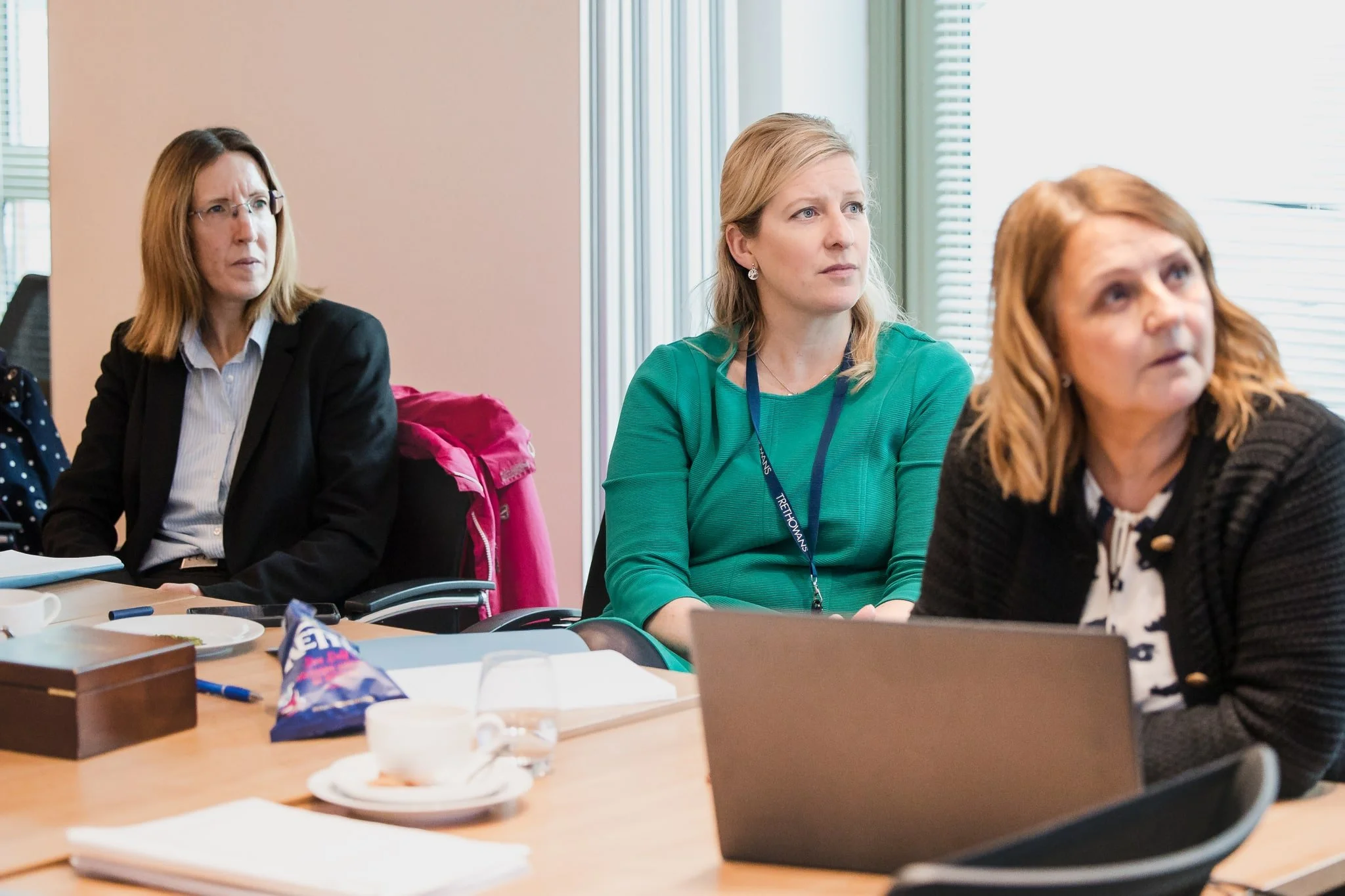
Collaborative Divorce vs Traditional Divorce
A summary of a Collaborative Divorce:
Allows you both to be in charge of the process.
Allows you both to have a voice.
Is an amicable process.
Allows you both to agree more creative and flexible solutions for you and your family.
Involves trying to resolve matters at meetings with you both present together with your collaborative lawyers.
It can be more cost effective than court proceedings which progress to a final hearing.
It can involve a more holistic approach, utilising the expertise of financial neutrals and family consultants.
It will only work if you are both willing to be open and honest with one another, and work in an amicable way, and if you both commit towards wanting to find a solution which will work for you both and your family.

What is The Collaborative Divorce Process and How is it Different to Family Mediation?
There are lots of different ways to resolve family issues; separating or having a disagreement doesn’t mean you are straight off to court. In fact, as family lawyers, we wouldn’t be doing our jobs if we didn’t explore and consider alternative dispute resolution methods.

Should You Get a Prenup? The Benefits of Collaborative Family Law
If you’re planning to get married, have you given any thought to whether or not you need a prenup?
More often than not, couples who are planning to get married spend lots of time and money making arrangements for their big day, but they rarely give any thought to how their financial position may look after they’ve tied the knot.

Spotlight on Collaborative Practice
The collaborative process in family law is a voluntary and private method for resolving disputes or reaching agreements, particularly during divorce or separation, without going to court. It is worth noting that the family courts are directing more and more people away from court to alternative ways to resolve their disputes and reach agreements.